Two ways to get there — neither pulls new cable to every room
Cat5e / Cat6 in the walls
Upgrade the closet, keep the runs
If your horizontal cabling is Cat5e or better, the cable can carry multi-gig — it's the
switch behind it that can't. EX-series access switches put 10GbE and bt-class PoE++ on
every port, so each existing drop becomes a full-rate Wi-Fi 7 feed.
- 10GbE PoE++ on every port
- 24 or 48 ports per switch
- 25G/40G fiber uplinks
- Cloud-managed with ReadyView

Coax or telephone wiring only
Retrofit multi-gig over the wiring you have
Older buildings rarely have Ethernet to every room — but they have coax or phone pair.
GL-series switches drive multi-gig over that existing wiring to an in-room IPC client,
which powers a Wi-Fi 7 access point over PoE++. Walls stay closed, rooms stay rented.
24.4Gbps
Wi-Fi 7 AP
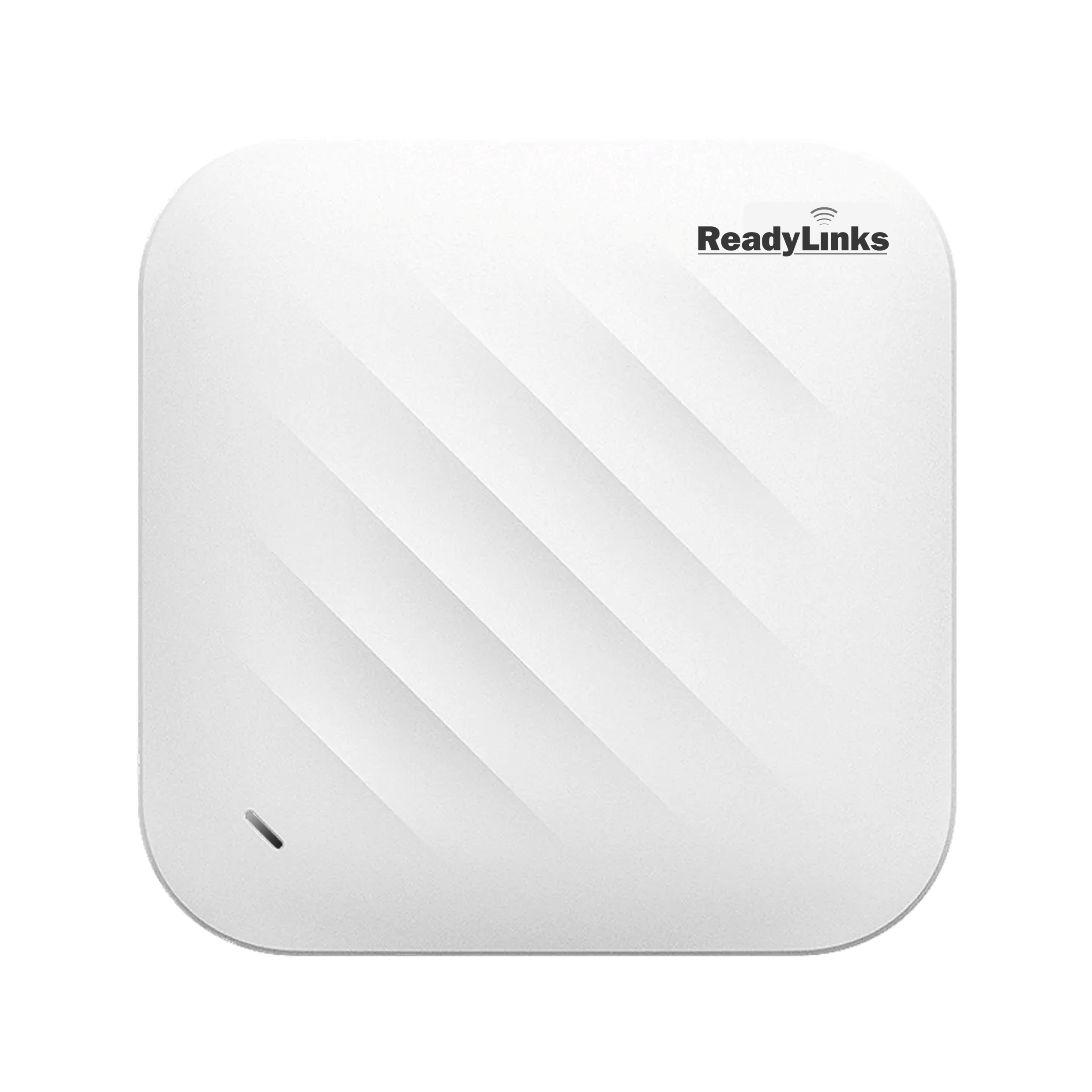
The IPC-APWF7 ceiling AP pairs with an IPC client for power and multi-gig backhaul — no new cable to the room.
90W
PoE++ out
IPC clients source bt-class PoE++ per LAN port — the AP, the phone, and the camera all power from the one retrofit drop.